For the past decade, the “Employee Self-Service Portal” was sold as the ultimate HR solution. It was supposed to empower workers and free up HR managers. Instead, it created a new type of digital friction: Portal Fatigue.
The average employee today toggles between 10 and 15 different apps just to complete their daily tasks. When a worker needs to request a simple afternoon off for a dentist appointment, they are forced to stop their work, hunt for a URL hidden in an onboarding email, reset a forgotten password, and navigate a clunky UI designed in 2014.
The result? They don’t do it. They just “disappear” for two hours, or they send a quick DM to their manager that never gets logged in the official system. This is the birth of “Shadow Leave,” and it is the primary reason why Slack leave management has moved from a “nice-to-have” bot to a mission-critical business infrastructure.
TL;DR: In 2026, traditional HR portals are being phased out in favor of “in-workflow” solutions. Slack leave management eliminates context switching, reduces administrative overhead by up to 30%, and improves employee trust. By integrating PTO tracking, sick leave, and shift planning directly into Slack, companies ensure higher data accuracy and a more frictionless employee experience.
In this guide, we will explore why the most successful HR teams in 2026 are killing their portals and why Slack leave management is the only way to maintain a truly transparent, high-performing hybrid workforce.
The Hidden Cost of Context Switching and “Portal Fatigue”
In the modern digital workplace, productivity isn’t just about how hard your employees work; it’s about how many hurdles you put in their way. One of the most significant, yet invisible, hurdles in 2026 is Context Switching.
What is Context Switching, and why does it kill productivity?
Context switching is the act of jumping between unrelated tasks or applications. For an employee, this might look like moving from a deep coding session in GitHub to a legacy HR portal just to check if they have enough PTO for a Friday trip.
Research from the University of California, Irvine, famously suggests that it takes an average of 23 minutes and 15 seconds to get back to a state of deep focus after a single interruption. When your “official” way to manage time off is through a separate web portal, you aren’t just asking for 5 minutes of an employee’s time – you are effectively stealing nearly half an hour of their peak mental performance.
By implementing Slack leave management, you keep the employee in their primary flow of work. Because the interaction happens via a simple slash command, the brain doesn’t have to “gear shift” into a different interface. This is the difference between a high-performance culture and one bogged down by administrative sludge.


The Rise of “Portal Fatigue” in 2026
We are currently living through an era of “SaaS Overload.” The average enterprise uses over 130 different apps. For an employee, this means 130 different passwords, 130 different user interfaces, and 130 different places for data to hide.
“Portal Fatigue” is the psychological burnout that occurs when simple administrative tasks feel like a chore because of the technological friction involved. When an HR portal is difficult to access, employees begin to exhibit two dangerous behaviors:
- Avoidance: They stop checking their leave balances or logging their time off altogether.
- Shadow HR: They bypass the system and simply tell their manager, “I’m out tomorrow” in a DM.
This is where Slack leave management acts as a safety net. It meets the employee where they already spend 80% of their digital day. By moving the portal into Slack, you transform a dreaded administrative task into a seamless, 10-second interaction.
How Slack Leave Management Solves the “Shadow Leave” Problem
“Shadow Leave” occurs when time off is taken but never officially recorded. This isn’t usually malicious; it’s a symptom of a broken process. If the portal is too hard to use, the employee takes the “path of least resistance”, a quick message to the team.
The danger of Shadow Leave includes:
- Payroll Inaccuracy: Paying out for vacation days that were actually taken.
- Compliance Risks: Failing to track mandatory sick leave or FMLA requirements.
- Team Burnout: A lack of visibility means teammates might be overworked because no one “officially” knew half the department was out.
With Slack leave management, logging time off becomes effortless. Tools like AttendanceBot ensure that any casual conversation about leave can be seamlessly turned into a formal request with just one click.
Key Takeaway for HR Leaders
If your goal is to increase employee engagement in 2026, you must reduce the “cognitive load” of your HR processes. Slack leave management isn’t just a convenience; it’s a strategic decision to protect your team’s focus and ensure your organizational data is 100% reliable.
Why is Slack Leave Management Essential for Hybrid Teams?
In a hybrid world, the biggest challenge isn’t “where” people work, but “if” they are working. Without a physical office to walk through, managers lose the visual cues of availability. Slack leave management bridges this visibility gap.
Solving the Visibility Crisis in Distributed Work
When your team is split across time zones, knowing who is “at their desk” is vital for preventing project bottlenecks. Relying on a legacy HR portal for this information is useless because that data is siloed away from the daily conversation.
Real-Time Status Syncing
The best Slack leave management tools don’t just track days off; they sync with Slack’s native status icons. If an employee is on “Parental Leave” or “Focus Time,” their status updates automatically. This prevents colleagues from sending urgent messages to someone who is officially OOO, reducing “notification anxiety” for the person on break.
Promoting Radical Transparency and Trust
Trust is the currency of hybrid work. When leave data is hidden in a portal that only HR can see, it creates a lack of transparency. Slack leave management brings this data into the light (while respecting privacy).
The Automated Team Dashboard
By using Slack leave management, teams can access a shared “Who’s Out Today” dashboard with a single command. This allows for:
- Self-Directed Planning: Employees check the bot before requesting a day off to ensure the team isn’t understaffed.
- Reduced Meeting Fatigue: Project leads can see at a glance if a key stakeholder is available before scheduling a “sync” meeting.
Cultural Inclusivity
A global Slack leave management strategy allows for diverse holiday calendars. Whether it’s Diwali, Lunar New Year, or a local bank holiday, the bot ensures the whole team respects these boundaries without requiring manual entry from HR.

The Manager’s Perspective: Streamlining Approvals and Workflow
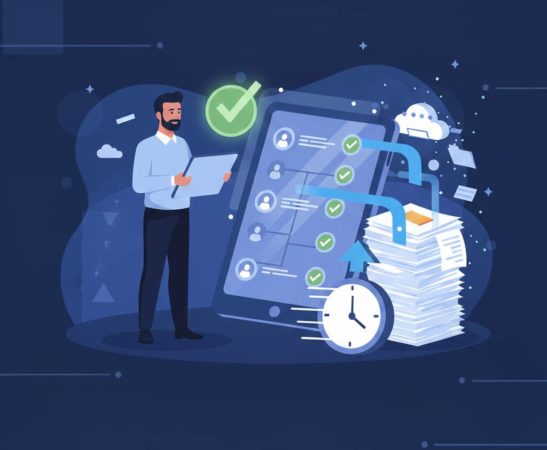
Managing a team is difficult enough without having to log into a separate portal every time someone needs a sick day. For most managers, the primary benefit of Slack leave management is the elimination of administrative bottlenecks.
One-Click Approval Workflows
In a traditional setup, a leave request triggers an email, which leads to a login screen, which leads to an approval button. With Slack leave management, the manager receives a direct message with two buttons: “Approve” or “Deny.”
This “one-click” philosophy ensures that requests don’t sit in an inbox for days, allowing employees to plan their lives and managers to maintain their focus. By handling Slack leave management within the chat thread, the context of the conversation is never lost.
Automated Conflict Detection
A major pain point for team leads is accidental understaffing. High‑quality Slack leave management tools like AttendanceBot automatically send notifications to managers when new requests are submitted, so they can see overlapping leave at a glance. Instead of manually checking a spreadsheet, managers get real‑time context and can make informed decisions instantly.
Managing Team Burnout via Slack
Managers can also use Slack leave management data to monitor “Time Off Velocity.” If the bot shows that a high-performer hasn’t used their Slack leave management tools to book a break in six months, it serves as a proactive signal for the manager to encourage a mental health day before burnout sets in.
Data Integrity: How Slack Leave Management Ends “Shadow Leave”
“Shadow Leave”—where employees take time off without recording it – is the silent killer of HR budgets. If the barrier to recording leave is high, people will naturally bypass the system.
Making Compliance the Path of Least Resistance
When you implement Slack leave management, you make it easier to follow the rules than to break them. Because the command is always at their fingertips, employees log even the smallest absences, such as a two-hour dental appointment or a half-day off. This ensures that your Slack leave management records are a “Source of Truth” rather than a rough estimate.
Real-Time Syncing with Payroll and Calendars
The true power of Slack leave management lies in its integrations. Once a request is approved in Slack, the data flows automatically to:
- Google/Outlook Calendars: Marking the user as OOO.
- Payroll Systems: Adjusting accruals and balances.
- Company Directories: Updating the team’s availability.
Reducing Human Error in HR
By removing the need for manual data entry between a portal and a spreadsheet, Slack leave management reduces the risk of payroll errors. In 2026, automation isn’t just a luxury; it’s a requirement for maintaining an audit-ready HR department.
Technical Integration: Merging Attendance Tracking Software with Your Workflow
A common concern for IT directors is whether a bot can truly replace the robustness of a traditional system. The reality in 2026 is that attendance tracking software is no longer a standalone silo; it is a connective tissue.
Why HRIS Integration is Non-Negotiable
Modern Slack leave management doesn’t exist in a vacuum. To be effective, it needs to fit into the broader HR and payroll systems your organization already relies on. When an employee uses a PTO tracker within Slack, having that data flow into your central systems can save time and reduce errors. Tools like AttendanceBot integrate with platforms such as Wagepoint and Gusto, allowing approved time off and hours worked to be synced with your core HR/payroll workflows. This integration acts as a user-friendly front end, while the rest of your HR ecosystem maintains the detailed records you need.
Moving Toward a Unified Team Availability Dashboard
Beyond just “days off,” a comprehensive attendance tracking software solution should help manage the “where” of work. With the rise of hybrid models, knowing who is in the office versus who is working from home is critical.
- Virtual Office Presence: Use the bot to signal “In the Office” or “Remote” status.
- Hybrid Schedule Coordination: Managers can see a team availability dashboard to ensure enough coverage is present for in-person collaborative sessions.
Reducing the HR Administrative Burden Through Automation
The primary goal of any employee vacation tracker should be to “set it and forget it.” If HR still has to manually intervene, the software has failed.
Automated Accruals and Policy Enforcement
Manual spreadsheet tracking is the leading cause of “payroll leakage.” By utilizing attendance tracking software that automates accrual math, companies ensure that employees never take more time than they’ve earned. AttendanceBot lets you define and enforce custom leave policies – from accrual rules and carry‑over limits to blackout dates when no time off may be requested. Instead of manually tracking these in spreadsheets, the bot applies your rules automatically as requests come in, keeping leave balances accurate and aligned with your HR policies.
Improving the Employee Self-Service Experience
The term “Employee Self-Service” used to mean “do the work yourself in a portal.” In 2026, it means “get what you need instantly.”
- Instant Balance Checks: “How many days do I have left?” is the #1 question HR gets.
- Automated Reports: Instead of HR spending hours generating monthly reports, a Slack leave management tool can DM a PDF report to the finance team on the 1st of every month.


Expert Q&A: Mastering Modern Attendance and Presence
What is the most effective way to track employee leave in Slack?
The most effective way to track leave in Slack is by using a native Slack leave management tool like AttendanceBot. These tools allow employees to request PTO, sick leave, or remote work days directly within the chat interface using simple slash commands. This method eliminates the need for external HR portals, reduces administrative friction by up to 30%, and ensures real-time data accuracy for managers.
How does Slack leave management integrate with existing HRIS tools?
Top-tier attendance tracking software utilizes robust HRIS integration to bridge the gap between communication tools and databases. When a request is approved in Slack, the data is instantly synced with platforms like BambooHR, Workday, or Rippling. This ensures that your central “source of truth” is always current without requiring manual data entry from HR staff.
Can I monitor team availability across different time zones?
Yes, a unified team availability dashboard within Slack is specifically designed for distributed teams. By querying the bot, team leads can see a live visual of who is “In-Office,” “Remote,” or “OOO” across various global regions. This promotes radical transparency and prevents scheduling conflicts before they happen.
Are Slack-based attendance tools compliant with labor laws?
Modern Slack leave management solutions are built with global compliance in mind. They allow for the configuration of localized leave policies (such as FMLA in the US or statutory sick pay in the UK). Because every request and approval is timestamped and stored, the system provides a comprehensive, audit-ready trail that satisfies most regional labor regulations.
How do I prevent “Shadow Leave” in a remote environment?
“Shadow Leave” is best prevented by lowering the barrier to entry for logging time off. By implementing a Slack leave management bot, you make the official process as easy as sending a DM. When requesting leave takes less than 30 seconds, employees are far more likely to record every absence, ensuring payroll and project planning remain 100% accurate.
Summing It Up
In 2026, the best HR tool is the one your employees actually use. The “Death of the HR Portal” isn’t a funeral – it’s an upgrade. By moving your Slack leave management out of siloed websites and into the flow of work, you’re doing more than just tracking time. You’re protecting your team’s focus, ending the era of “Shadow Leave,” and building a culture where transparency is automated. Whether you’re utilizing a comprehensive suite like AttendanceBot or a niche employee vacation tracker, the goal is clear: stop making your team leave the “office” just to ask for a day off.