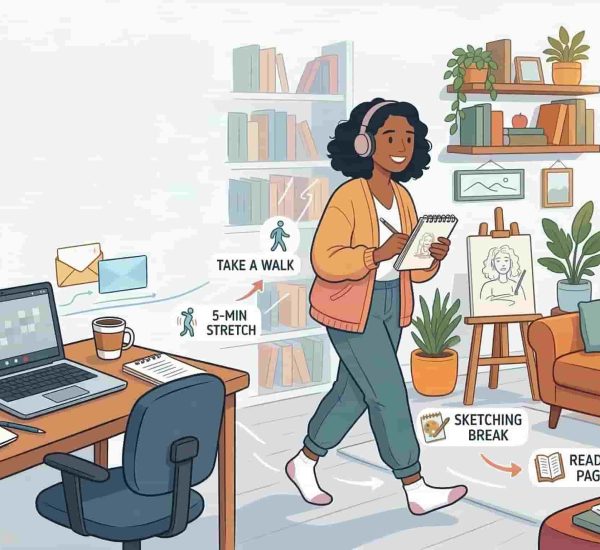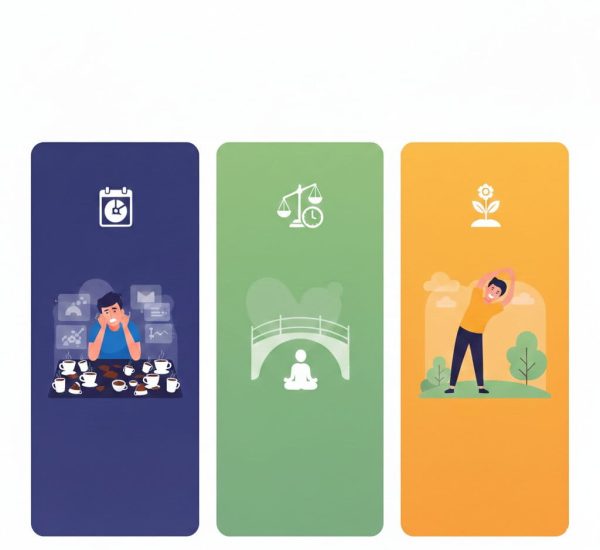
In the early days of remote work, the “always-on” culture was seen by some as a badge of honor. Fast forward to 2026, and that badge has lost its shine. As digital tools have blurred the lines between the living room and the boardroom, a global movement has reached a fever pitch: the Right to Disconnect.
This isn’t just about closing your laptop at 5 PM; it is a fundamental shift in how we define the modern employment contract. From the bustling tech hubs in Toronto to the remote-first startups in the EU, the Right to disconnect has transitioned from a “nice-to-have” wellness perk to a core pillar of right to disconnect legislation.
For HR leaders, the challenge is no longer just about tracking hours—it’s about protecting the “off-switch.” Whether you are navigating the specifics of Bill 27 or looking to stay ahead of the right to disconnect law USA updates, understanding this movement is critical for talent retention and compliance.
In this guide, we’ll explore the global landscape of the right to switch off, how to craft a robust disconnect from work policy, and why a culture that respects the right to unplug is actually more productive than one that never sleeps.

The Global Legal Landscape: From Bill 27 to the EU
The push for a Right to disconnect isn’t just a trend; it’s a global legislative movement. What began as a series of pioneering EU directives has sparked a domino effect across North America and beyond.
In Canada, the conversation is often anchored in Ontario’s Working for Workers Act. Specifically, Bill 27 mandated that businesses with 25 or more employees implement a written policy on disconnecting from work. While Bill 27 originally set the stage, we are now seeing similar right-to-disconnect regulations being debated across various states as part of a potential right-to-disconnect law in the USA framework.
The Employment Standards Act (ESA) has been updated in many jurisdictions to reflect these modern realities. For example, ESA right to disconnect requirements now often ask employers to be explicit about their expectations for right to disconnect after office hours. This isn’t just about compliance with the Ministry of Labour; it’s about honoring the fundamental workers’ right to disconnect to ensure long-term productivity.
From the WRC code of practice in Ireland to global right to unplug standards, the message is clear: protecting an employee’s right to disconnect is now a core responsibility of modern HR.
Building Your Policy: Elements of a Successful Disconnect from Work Policy Template
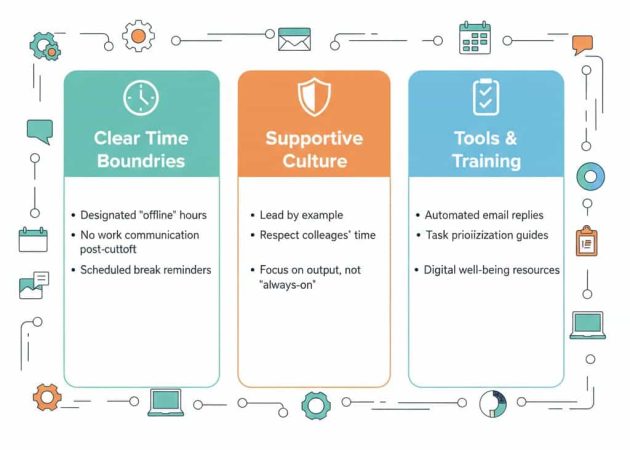
To build a robust framework, you don’t need to reinvent the wheel. You can start with a disconnect from work policy template and customize it based on your operational needs. Here are the essential elements that every written policy on disconnecting from work should include in 2026:
1. Clear Definitions and Scope
Begin by defining what “disconnecting” actually means. Under the Ontario Employment Standards Act (ESA), it is defined as not engaging in work-related communications—emails, calls, or video chats—outside of designated hours. Your policy on disconnecting from work should clearly state which groups of employees it applies to and during which hours.
2. The “Right to Switch Off” Protocols
Establishing the right to switch off requires specific rules for different communication channels.
- Email: Encourage the use of “Delay Delivery” so messages don’t hit inboxes at midnight.
- Instant Messaging: Set expectations for status updates (e.g., “Offline – Respecting my right to unplug”).
- Emergency Exceptions: Define what constitutes a “true emergency” to ensure the right to disconnect after office hours is only bypassed in critical situations.
3. Protection from Reprisal
A key component of right to disconnect legislation is ensuring that employees aren’t penalized for following the policy. Your employee disconnect policy must explicitly state that choosing to disconnect from work will not negatively impact performance reviews or career advancement.
4. Managerial Responsibilities
Managers must lead by example. If a leader doesn’t honor their own right to disconnect from work, their subordinates likely won’t either. The policy should instruct managers to review workloads if they notice an employee is unable to meet deadlines without working through their “off” hours.
By providing a sample disconnecting from work policy that addresses these four areas, you provide the psychological safety your team needs to truly recharge. This isn’t just about meeting the legal requirements of Bill 27; it’s about building a sustainable culture where people can thrive.
One of the most common misconceptions about the Right to disconnect is that it creates an impenetrable wall between 5 PM and 9 AM. However, modern industrial standards—particularly the legal frameworks emerging from Australia—suggest that the right to disconnect from work is built on a “reasonableness” threshold.
This means that an employee’s refusal to engage with work-related contact is protected unless that refusal is deemed unreasonable under the circumstances. When a manager or a court evaluates whether an after-hours “ping” was justified, they generally weigh several factors:
- The Specifics of the Role: A senior executive or a specialized engineer may have a different threshold for “reasonable contact” than an entry-level administrator.
- Method and Disruption: A quick Slack message that can be answered at leisure is often viewed differently than a disruptive, unscheduled phone call during family time.
- Compensation and Incentives: Does the employee’s salary already account for being “on-call,” or are they receiving an availability allowance?
- The Nature of the Emergency: Is the contact triggered by a genuine, time-sensitive crisis, or is it a routine inquiry that could wait until the next business morning?
Integrating this “Reasonableness Framework” into your written policy on disconnecting from work is essential. It moves the conversation away from rigid “off” times and toward a more mature, trust-based model. By setting these expectations clearly, you uphold the workers’ right to disconnect while maintaining the flexibility a global, 24/7 business requires.
The AttendanceBot Edge: Automating the Right to Disconnect
A policy is only a piece of paper (or a PDF) until it is put into practice. In a fast-paced digital workspace, manually enforcing a right to disconnect from work is nearly impossible for managers. This is where automation becomes an HR leader’s best friend.
AttendanceBot acts as a digital buffer that helps teams adhere to right to disconnect regulations without the need for constant micromanagement. Here is how you can use the bot to bring your disconnecting from work policies to life:
1. Hardcoding “Office Hours”
Through simple commands, employees can set their working hours. Once these are set, AttendanceBot can automatically update Slack or Teams statuses to “Offline” or “Away” the moment their shift ends. This sends a clear, automated signal to colleagues that the right to switch off is now in effect.
2. Intelligent Leave Management
When an employee is on vacation or a “mental health day,” the bot doesn’t just log the time; it can deflect notifications. By integrating your employee right to disconnect directly into your communication platform, you ensure that “out of office” truly means out of reach.
3. Data-Driven Wellness Insights
For HR teams, the bot provides high-level reports on “after-hours” activity. If the data shows a specific department is consistently failing to disconnect from work, managers can intervene early. This proactive approach turns your disconnection from work policy into a live, breathing part of your culture rather than a reactive legal checkbox.
Measuring Success: Metrics That Matter (Without the Micromanagement)
In 2026, the hallmark of a high-trust culture is the ability to monitor compliance without infringing on privacy. Implementing a right to disconnect policy shouldn’t mean installing “spyware.” Instead, savvy HR leaders are looking at aggregated, anonymous data to ensure their right to switch off protocols are working.
To measure if your employee right to disconnect is truly being respected, focus on these three healthy metrics:
- The “Email Sunset” Ratio: Track the percentage of internal communications sent outside of standard business hours. A successful right to disconnect from work should see this number trend toward zero, except pre-scheduled “send later” messages.
- PTO “Dead Zone” Compliance: Monitor whether employees are actually disconnecting during their time off. If your data shows people logging in during their vacation, it’s a signal that your disconnecting from work policy is being undermined by a “hero culture.”
- The “Response Delay” Benchmark: Establish that “immediate” responses are not expected after hours. By measuring average response times during evenings, you can confirm that your team feels the psychological safety to honor their right to unplug.
By focusing on these macro-trends, you protect the legal right to disconnect while respecting individual autonomy. This approach shifts the burden of compliance away from the employee and puts the responsibility on the system to flag when the right to disconnect legislation is being ignored.
Ultimately, the goal is to move from compliance to culture. When your metrics show that your team is consistently hitting their “off” switch, you’ll likely see a corresponding rise in engagement, creativity, and long-term loyalty.
The Business Case: How Disconnection Drives Retention
It may seem counterintuitive, but a Right to disconnect is one of the most effective ways to boost long-term output. In 2026, the data shows that firms adopting a formal right to switch off don’t just see happier employees—they see measurable gains in organizational stability and cognitive performance.
The benefits of a clear disconnecting from work policy extend far beyond simple compliance:
- Drastic Reduction in Turnover: The inability to unplug is consistently cited as a top-three reason for employee resignation. By enshrining the employee right to disconnect, you significantly lower the costs associated with “quiet quitting” and high-volume recruitment.
- Cognitive Recovery and Innovation: Scientific research into right to unplug behaviors shows that “always-on” employees lose up to 20% of their problem-solving capacity due to cognitive fatigue. A culture that mandates a right to disconnect from work ensures that your team returns to their desks with the mental clarity required for high-level strategy.
- Lowered Healthcare and Absenteeism Costs: Burnout is a physical liability. Companies that actively protect the right to disconnect after office hours report a significant reduction in stress-related sick leave and lower long-term health insurance premiums.
- Global Talent Magnetism: In a competitive 2026 job market, top-tier talent views the right to disengage as a non-negotiable. Leading with a legal right to disconnect in your job descriptions makes your company a preferred destination for high-performers who value sustainable excellence over short-lived sprints.
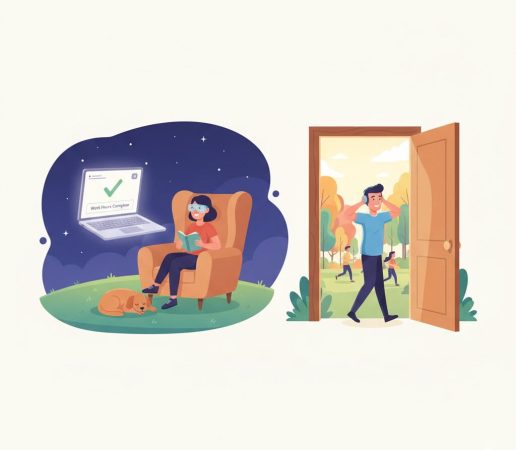
Ultimately, a right to unplug isn’t a barrier to your business; it is the safeguard that keeps your most valuable assets—your people—from burning out. When you protect the “off” switch, you ensure that the “on” switch actually produces results.
Conclusion: Privacy, Productivity, and the Path Forward
The right to disconnect is more than just a legal hurdle; it is a blueprint for the future of work. As we navigate the complexities of 2026, the companies that thrive will be the ones that recognize that an employee’s time “off” is just as valuable as their time “on.”
By implementing a clear right to disconnect policy and respecting the right to switch off, you aren’t just complying with right to disconnect legislation like Bill 27. You are investing in a culture of trust and high performance.
Technology created the “always-on” problem, but as tools like AttendanceBot show, technology can also be the solution. Whether you are drafting your first disconnecting from work policy or looking for ways to automate your right to unplug protocols, the goal remains the same: a healthier, happier, and more focused workforce.
Ready to automate your team’s boundaries?
Don’t let compliance be a manual chore. See how AttendanceBot can help you manage office hours, leave requests, and employee wellbeing all within Slack and MS Teams.