In 2026, HR teams aren’t struggling because they lack software; they’re struggling because their HR tech stack is fragmented.
Time-off requests live in Slack threads, approvals hide in inboxes, and schedules sit in isolated spreadsheets. What was meant to improve efficiency has quietly turned into a maze of disconnected HR automation and point solutions that don’t communicate. This is why even companies using modern employee productivity tools still feel overwhelmed. HR leaders spend hours stitching together data from an attendance management system and various forms of employee management software just to answer basic questions: Who’s off? Who’s working late? Are policies being followed?
The problem isn’t adoption—it’s orchestration.
As teams scale, especially with hybrid and remote work, gaps between tools grow wider. While workforce management software and employee clock-in systems generate valuable data, that data often creates more noise than clarity without a clear structure. This is where a thoughtfully designed HR tech stack matters—one where automation reduces interruptions instead of creating new ones.
The Foundation of Modern Attendance
Attendance is often treated as “basic admin,” yet it’s the layer that touches every employee, every manager, and every workday. When attendance workflows break down, HR ends up compensating manually, productivity drops, and trust erodes. That’s why modern teams are rethinking where attendance fits—not as an afterthought, but as a foundational layer. Tools like AttendanceBot are purpose-built to remove this daily friction rather than add to it.
In this guide, we’ll break down the HR tech stack every modern team needs in 2026, explain how each layer works together, and show where attendance automation fits—so your systems finally support the way people actually work.
What an HR Tech Stack Really Means in 2026
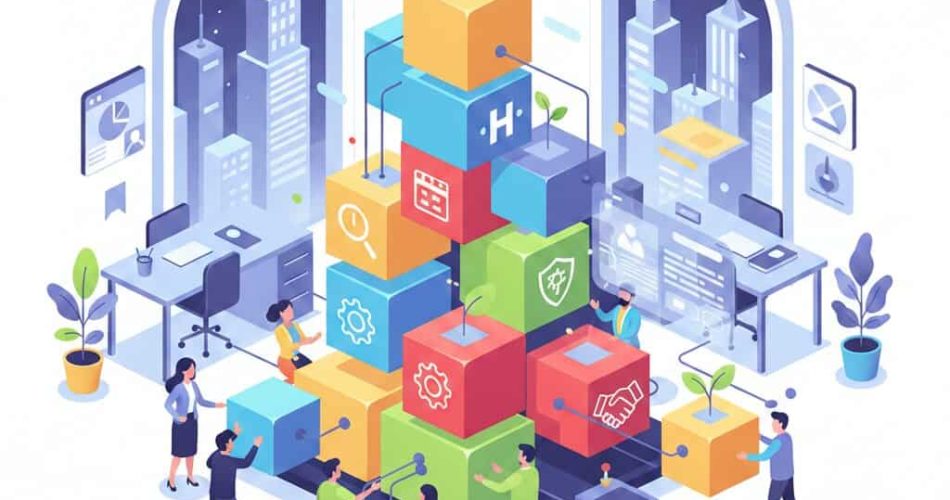
In 2026, a robust HR tech stack isn’t a collection of disconnected tools—it’s a coordinated system designed to reduce manual work. The goal isn’t simply more software, but better alignment between workforce automation and everyday operational workflows.
Many teams already utilize a leave management system or time and attendance software, yet still rely on manual follow-ups and ad-hoc approvals. That friction usually comes from poor orchestration. When your broader workforce management software doesn’t talk to your attendance tools, HR teams end up filling the gaps manually.
A modern HR tech stack prioritizes:
- Self-service for employees.
- Async workflows for distributed teams.
- A single source of truth across all platforms.
Once these foundations are in place, higher-level tools like automated onboarding software and performance management platforms can deliver real value instead of compensating for broken basics.
With that context, let’s break down the core layers every modern HR tech stack needs—starting with the one most teams underestimate.
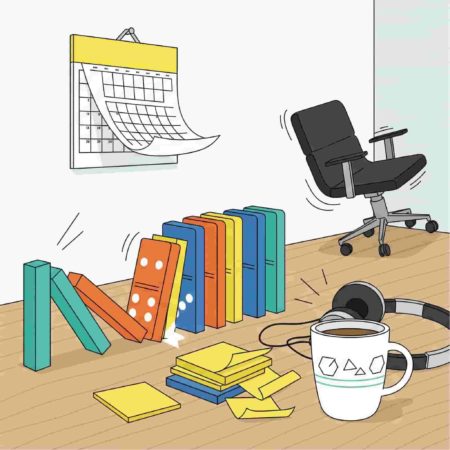
Layer 1: Attendance & Time Automation — The Foundation Most Teams Miss
Attendance is often treated as basic admin, but in reality, it’s the backbone of your entire HR tech stack. Every workday starts here: who’s working, who’s off, and who needs approval. When this layer breaks down, even the most expensive HR automation tools struggle to deliver value.
Most teams already use some form of attendance tracking software or a simple employee clock in system. However, without true automation, these tools often create more manual work. HR teams end up chasing approvals, and managers waste time answering repetitive questions just to confirm leave was recorded correctly.
A modern attendance management system should:
- Automate leave requests and approvals.
- Enforce policies consistently across the board.
- Reduce the back-and-forth currently clogging Slack and email.
- Act as a reliable time attendance system for the entire workforce.
For growing companies, this unified approach replaces fragmented clock-in and out systems for small businesses or spreadsheets used as a desperate workaround. By moving away from manual inputs, you ensure data is accurate, visible, and always up to date.
Tools like AttendanceBot sit directly in the flow of work, turning daily tasks into structured workflows. This makes them a natural fit alongside your broader workforce management software and staff scheduling software, providing reliability without the usual complexity.
Layer 2: Workforce & Scheduling Automation — Turning Availability Into Clarity
Once your data is reliable, the next challenge is coordination. This is where workforce automation and specialized scheduling tools come into play. Without this layer, HR might know who is available, but managers will still struggle to plan work effectively.
Many organizations rely on disconnected tools or manual shift planning. The result? Last-minute changes and coverage gaps. Even a solid attendance management system can’t fix a broken schedule if availability isn’t translated into clear plans.
When done well, shift management software and employee time management systems ensure the right people are assigned at the right time. For scaling teams, this replaces fragile setups built on basic clocking-in systems or outdated time clock systems for small businesses. Most importantly, it prevents attendance data from becoming passive information; instead, it becomes an active input for planning and workload balance.
Layer 3: Leave, Policy, and Self-Service Systems — Removing HR as the Middleman
Even with scheduling in place, HR teams often lose hours answering the same questions: “How much leave do I have left?” or “Is my holiday approved?” This is where your leave management software and attendance management software must evolve into true self-service tools. When employees can access accurate information on their own, HR shifts from a “gatekeeper” to a strategic partner.
Strong self-service systems:
- Reduce dependency on HR for basic queries.
- Increase trust in company data.
- Ensure policies are applied consistently without manual oversight.
With self-service in place, your online time and attendance and leave management systems stop generating help-desk tickets and start delivering clarity.
Layer 4: Visibility & Alignment Across Teams — Preventing Silent Misalignment
Automation doesn’t just reduce work; it changes how teams stay aligned. HR decisions affect engineering, operations, and leadership—but without visibility, those impacts are often felt too late.
At this layer, your employee management software and onboarding workflow software stop operating in silos. When teams understand what’s changing and why, automation reinforces trust. Whether you are using automated onboarding software or updating holiday calendars, the goal is to ensure updates flow clearly across the entire HR tech stack.
Layer 5: Insights, Performance, and Optimization — Turning Data Into Direction
The final layer focuses on insight. By this stage, systems like employee performance management software and hr performance management software can finally rely on clean, consistent data.
This allows organizations to:
- Spot attendance and workload trends before they become problems.
- Identify burnout risks early.
- Connect performance outcomes to actual capacity.
Without solid foundations, a software to track employee productivity or a broader employee performance software will produce noisy, misleading data. With the right HR tech stack in place, those same tools become powerful decision engines.
Why Attendance Is the First Layer — Not an Afterthought
Many teams start with performance platforms and work backward. The most effective teams do the opposite: they stabilize attendance first, then build upward.
In 2026, the strongest HR teams aren’t just adding more tools—they are refining their HR tech stack so that HR automation actually removes friction instead of creating it.
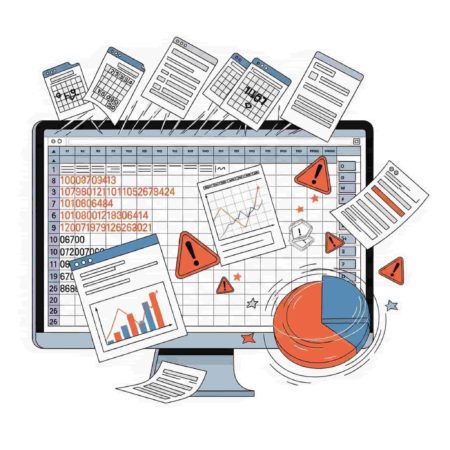
Putting the Stack Into Action — Steps to Build Your HR Tech Stack in 2026
Building an effective HR tech stack isn’t about adding every new tool on the market—it’s about aligning software, automating workflows, and creating a connected system that actually improves productivity. When implemented correctly, your stack reduces manual work, increases employee engagement, and gives leadership the insights they need to make strategic decisions.
1. Audit Your Current Tools and Processes
Start by taking stock of your current HR systems to see where the “leaks” are occurring.
- List your assets: Inventory every tool you use for employee management software, leave management software, and employee productivity tools.
- Identify the “Ghost” work: Spot redundancies or manual workarounds, such as spreadsheets or basic clock in systems for small business.
- Document the friction: Look for slow approvals, repeated questions, or misaligned reporting.
The 2025 SHRM State of the Workplace report notes that only 43% of HR professionals rate their current technology as effective, with inefficient processes costing organizations billions in lost productivity daily. Furthermore, teams that rationalize their software stack can significantly reduce administrative tasks, freeing HR to focus on strategic initiatives like culture and retention.
2. Map Critical Workflows and Dependencies
Next, define the workflows that keep your operations running. An HR tech stack only works if the tools actually talk to each other.
- Trace the path: Map out attendance tracking, leave approvals, and your hr onboarding software process.
- Connect the dots: Identify dependencies, such as how your attendance management system feeds data into your workforce management software.
Clear workflow mapping ensures that your HR automation software investment supports real work rather than introducing new complexity. Gartner’s 2025 HR Tech insights emphasize that the absence of proper implementation frameworks is the leading cause of failed ROI in automation.
3. Prioritize Foundational Layers First
Not all layers of the stack should be implemented at once. Start with attendance and time—the backbone of any high-performing team.
- Build the base: Implement reliable time and attendance software for small businesses to capture clean data.
- Enable self-service: Automate approvals within your employee leave management system to reduce repetitive queries.
- Maintain hygiene: Ensure managers and employees are trained to use the staff scheduling software and employee clock in systems consistently.
When the foundation is strong, higher-level systems like automated onboarding software and performance management platforms will function effectively, supported by reliable data.
4. Integrate Tools for Knowledge Flow and Alignment
A well-structured HR tech stack depends on integration. Automation is only effective when the right people have the right information at the right time.
- Bridge the silos: Connect your leave management software with your staff scheduling software to prevent coverage conflicts.
- Centralize the “Ask”: Use platforms like Filo to allow employees to ask questions and get context-rich answers instantly in Slack. By retrieving data from multiple tools without leaving their workspace, employees stay focused and HR stays uninterrupted.
5. Monitor, Measure, and Optimize for Performance
Automation isn’t static—your stack needs continuous measurement to ensure it’s delivering value.
- Track the ROI: Monitor time saved on approvals and reductions in manual attendance management.
- Turn data into docs: Use tools like Code2Docs to turn complex operational data into clear, actionable guides.
Monitoring ensures your time clock software for small businesses and employee performance software are supporting your strategic goals rather than just collecting digital dust.
6. Train and Support Your Team
Even the best stack fails without adoption.
- Simplify the “How-To”: Provide clear guides for the attendance software, leave management systems, and staff scheduling software.
- Gather feedback: Regularly ask your team how the time attendance system is working for them.
Training maximizes the effectiveness of your HR tech stack and ensures teams trust the automation rather than seeing it as a hurdle.
Conclusion: Build Your HR Tech Stack with Attendance at the Core
In 2026, the most effective HR teams aren’t measured by how many tools they use, but by how well those tools work together. Automating attendance, leave management, and scheduling reduces interruptions, keeps managers focused, and gives employees a smoother experience.
Attendance is more than a daily task — it’s the foundation that enables HR automation, employee management software, and staff scheduling systems to function reliably. By starting with automation at the core, teams can build a stack that actually supports productivity rather than adding complexity.
For HR leaders interested in learning more about creating connected workflows and scaling HR operations effectively, Harmonize provides resources and insights on best practices for building a modern HR tech stack.
Looking for more ways to automate your workspace? Explore the full Harmonize Hub ecosystem – the central home for AttendanceBot, OfficeAmp, and our latest tools like Filo, ExpenseTron, and Code2Docs. Whether you are tracking time, managing expenses, or syncing complex workflows, our suite is designed to make your work life seamless and keep your team in perfect harmony.