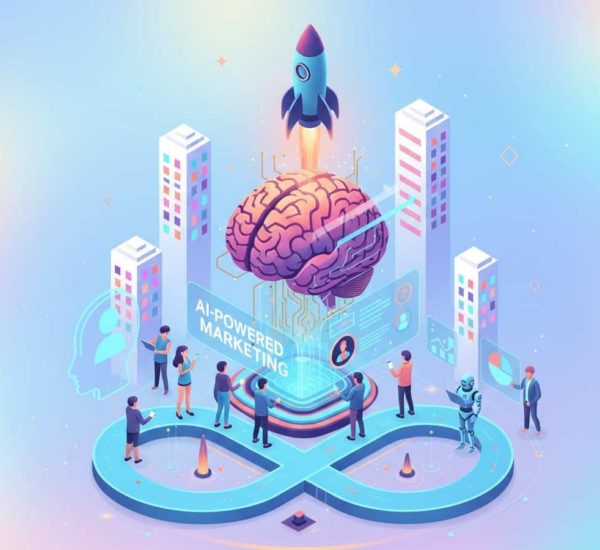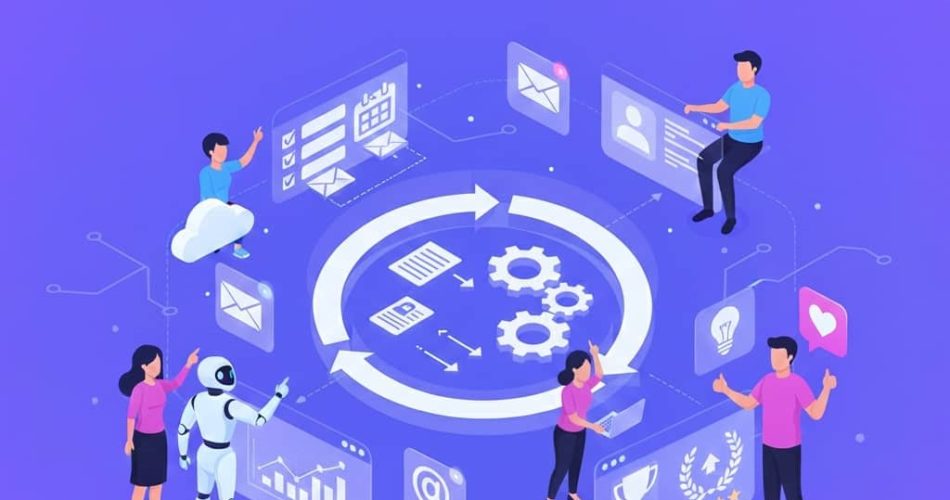
The conversation around AI in HR is louder than ever as people leaders step into 2026. Every few weeks, a new headline stirs anxiety about AI replacing jobs, and HR teams across the United States and Canada find themselves fielding tough questions about the future of work. With HR automation advancing fast and new AI-powered HR tools rolling out across Slack, Microsoft Teams, and core systems, the debate feels unavoidable: Is AI here to support HR teams-or replace them?
Inside most organizations, the reality looks different from the headlines. As people leaders test new workflows and explore the expanding world of AI in HR, they see the technology reshaping work but not removing humanity from it. Rather than taking over, AI is removing administrative weight, automating repetitive tasks, and making space for thoughtful conversations, strategic planning, and cultural stewardship. The future of HR 2026 is not a story about displacement. It is a story about evolution-one where humans guide strategy and ethics, while AI handles the busywork that has slowed HR teams for years.
The shift is undeniable. From AI for HR teams managing interview scheduling to tools that draft job descriptions, analyze trends, and support employee experience requests, it’s is becoming a daily partner. Yet the most human parts of the job-connection, conflict resolution, trust-building, and ethical decision-making-remain irreplaceable. As organizations navigate HR technology trends and plan for the AI job market 2026, one thing is clear: the goal is not to eliminate roles but to elevate HR into more strategic leadership.
The Fear Around AI and HR Roles
Why HR Teams Feel the Pressure
The rise of AI in human resources has created a wave of uncertainty across people operations teams. Every new product demo showcases faster screening, automated scheduling, and instant insights. These advances make it easy to assume the technology is creeping closer to replacing human roles. With conversations around AI replacing jobs trending again, the concerns are understandable.
The Headlines Feeding Anxiety
News cycles amplify the fear. Reports about the AI job market 2026 often highlight potential disruptions without offering practical context for HR leaders. When teams read articles predicting automation across industries, it triggers questions about relevance, value, and the future of their roles.
Why Administrative Overload Adds to the Fear
HR teams have historically been overloaded-answering repetitive questions, processing forms, scheduling interviews, and managing constant coordination work. When organizations introduce HR automation, employees may assume leaders want fewer people and more technology. This interpretation makes the shift feel personal, even when the intent is operational improvement.
What HR Leaders Worry About Most
- Losing control over employee experience
- AI screening candidates inaccurately
- Reduced need for recruiters or coordinators
- Executive pressure to “cut costs” during optimization
- Technology replacing human judgment
But as organizations test these tools, a consistent pattern emerges: artificial intelligence in HR is not replacing the work that defines HR-it is removing the parts that slow it down.
The Reality – AI Is Automating Tasks, Not Replacing HR Roles
AI’s True Purpose in HR
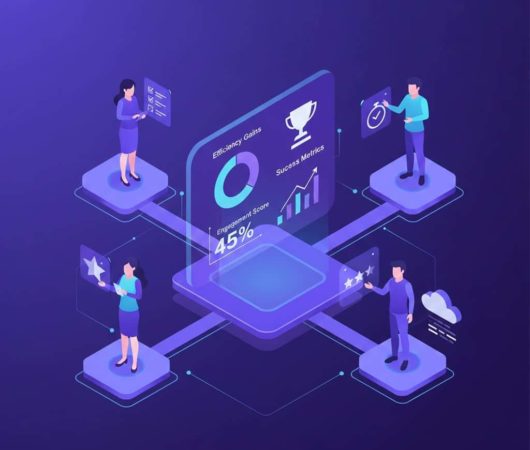
Despite fears, artificial intelligence in HR is not designed to replace humans. Its core strength lies in automating repetitive HR tasks-the administrative work that consumes time but adds little strategic value. Screening resumes, scheduling interviews, and answering common employee questions are areas where AI excels, freeing HR teams to focus on higher-value work.
Where AI Supports HR Teams
Modern AI-powered HR tools assist with:
- Resume screening: Quickly analyzing thousands of applications and highlighting top candidates.
- Job description optimization: Using data-driven insights to craft inclusive, compelling listings.
- Interview scheduling: Coordinating calendars across multiple stakeholders without manual back-and-forth.
- Employee FAQ management: Responding instantly to routine inquiries about policies, benefits, or PTO.
These functions allow HR teams to work smarter and faster while maintaining control over outcomes.
Humans Are Still at the Center
AI may handle repetitive tasks, but artificial intelligence in HR cannot replicate human judgment. Leadership, empathy, and ethical decision-making remain uniquely human responsibilities. HR professionals are still needed for:
- Conflict resolution and mediation
- Relationship-building with employees
- Strategic workforce planning
- Cultural stewardship and engagement initiatives
- Ensuring ethical AI adoption
The Shift, Not the Replacement
The reality of AI in human resources is simple: technology shifts HR from transactional to strategic. By offloading administrative work, AI empowers people leaders to focus on areas where humans excel. The future of HR 2026 is not a story about job loss-it’s a story about elevation, growth, and opportunity.
Will AI Replace HR Jobs?
The question on every HR professional’s mind is simple: Will AI replace HR jobs? The answer, based on current trends and workplace insights, is reassuring: no.
Artificial intelligence in HR is designed to handle repetitive, time-consuming tasks-not the strategic, human-centered responsibilities that define HR roles. While AI can screen candidates faster, schedule interviews, or provide quick answers to common employee questions, it cannot replace judgment, empathy, or the ability to navigate complex organizational dynamics.
Why Humans Remain Essential
- Decision-making: AI can provide data, but humans must interpret it, considering context, culture, and ethics.
- Employee experience: Personalized guidance, mentoring, and coaching require human connection.
- Conflict resolution: Sensitive disputes demand emotional intelligence, negotiation skills, and situational awareness.
By focusing on AI for HR teams as a productivity partner rather than a replacement, organizations can reduce anxiety, improve efficiency, and help HR professionals focus on meaningful work.
The Bigger Picture
The AI job market 2026 will undoubtedly continue to evolve, and some tasks may become fully automated. However, HR as a discipline thrives on strategy, culture, and human insight. The adoption of AI in human resource is a tool for elevation, not elimination-empowering HR leaders to spend less time on manual tasks and more time on shaping the future of work.
HR Roles Evolving With AI
From Administrative Tasks to Strategic Leadership
With the rise of HR automation and AI-powered HR tools, traditional administrative tasks-like resume screening, scheduling interviews, and onboarding paperwork-are increasingly handled by technology. This shift allows HR professionals to dedicate more time to strategy, employee experience, and culture-building. Research shows that organizations adopting AI solutions are seeing HR teams transition from purely operational roles to strategic people leadership. (Human Resource Journal, 2025)
Rather than replacing HR roles, these tools enhance capacity, enabling teams to focus on areas where human insight, judgment, and empathy are essential. This reflects the future of HR 2026, where technology supports humans, not replaces them.
Emerging Skills HR Leaders Need
As repetitive tasks become automated, HR professionals are required to develop new capabilities:
- Data literacy: interpreting insights from AI-powered systems for recruitment, performance, and workforce planning.
- Strategic thinking: aligning HR processes with broader organizational goals.
- Ethical decision-making: ensuring ethical AI in HR adoption, maintaining fairness, and protecting employee privacy. (RSIS International, 2025)
These skills complement traditional human-centered competencies, positioning HR as a trusted advisor and culture steward.
How HR Functions Are Changing
AI adoption is improving the efficiency and accuracy of core HR operations while allowing humans to focus on strategic work:
- Recruitment: AI-powered screening and candidate-matching tools speed up the process, giving HR more time to evaluate cultural fit and candidate experience.
- Performance & Learning: AI provides data-driven insights to identify skill gaps and career development opportunities.
- Employee Engagement & Retention: Predictive analytics help HR teams proactively address turnover risks and tailor interventions. (SHRM, 2025)
Opportunities and Challenges
While AI improves efficiency, some repetitive positions may evolve or shrink. The key is upskilling: HR professionals who adapt to new technologies, develop data and ethical skills, and focus on strategic thinking will be in higher demand. Studies show that AI adoption tends to augment human roles rather than replace them, creating new opportunities for influence and leadership.
Key Takeaways for HR Leaders in 2026
- Treat AI as an enabler, not a replacement.
- Invest in upskilling HR teams on analytics, ethics, and strategic decision-making.
- Maintain human oversight to ensure fairness, trust, and alignment with company culture.
- Focus on human-centered leadership, culture, and employee experience while leveraging technology for efficiency.

How HR Can Use AI Responsibly
Adopt AI as a Strategic Partner, Not a Replacement
The first step for any HR team is to view AI as an enabler that supports efficiency and insight rather than a tool to cut jobs. HR automation and AI-powered HR tools should be used to free up time for strategic work-like improving culture, boosting engagement, and guiding workforce development-while leaving the human elements of leadership intact.
Implement Ethical AI Practices
Ethical considerations are critical for trust and fairness. Organizations should ensure that all AI tools used in HR are transparent, unbiased, and respect employee privacy. Key steps include:
- Regularly auditing AI algorithms for bias.
- Clearly communicating AI use to employees.
- Maintaining human oversight in decision-making.
Focusing on ethical AI in HR helps prevent unintended consequences while reinforcing HR’s role as a steward of culture and employee well-being.
Invest in HR Skills for the Future
With AI handling repetitive tasks, HR professionals must enhance complementary skills to thrive in the future of HR 2026. Upskilling priorities include:
- Data literacy: interpreting analytics from AI-driven tools.
- Strategic decision-making: aligning workforce insights with business objectives.
- Employee experience design: using AI insights to create better engagement and retention strategies.
These skills ensure HR roles continue to evolve and remain impactful. (Human Resource Journal, 2025)
Monitor and Measure Impact
HR teams should track both efficiency gains and employee outcomes when deploying AI solutions. Metrics can include:
- Time saved on administrative tasks.
- Accuracy of AI-driven recommendations (e.g., candidate selection, training needs).
- Employee satisfaction and engagement levels.
By continuously monitoring AI performance, HR leaders can adjust processes and maintain alignment with organizational goals.
Encourage Collaboration Between Humans and AI
Finally, successful adoption requires viewing AI as a partner in HR workflows. AI for HR teams should complement human judgment: automating repetitive work while allowing HR professionals to focus on empathy, coaching, and strategic initiatives. This collaborative approach ensures that technology enhances-not replaces-the human touch.
Key Takeaways for Responsible AI Adoption in HR
- Use AI to augment HR tasks, not replace people.
- Establish ethical guidelines and maintain human oversight.
- Invest in reskilling HR teams for data, strategy, and culture-driven work.
- Track AI impact on efficiency, fairness, and employee experience.
- Foster collaboration between AI tools and human judgment to maximize value.
Measuring Impact: How HR Can Track AI Success
As AI-powered HR tools become central to modern workflows, measuring their effectiveness is critical. Without clear metrics, organizations risk overestimating benefits or overlooking unintended consequences. Tracking impact ensures HR teams leverage technology responsibly while aligning with strategic goals.
Monitoring AI Efficiency and Accuracy in HR
Efficiency gains are often the first indicator of AI adoption success. HR automation can streamline repetitive processes, but leaders need to quantify these improvements. Key methods include:
- Time saved on tasks like resume screening, scheduling, or policy inquiries
- Reduction in manual errors or inconsistencies
- Improvements in process turnaround times
Additionally, accuracy matters. For example, AI tools that shortlist candidates or recommend training programs should be evaluated for correctness and bias. Ensuring accuracy builds trust in technology and strengthens HR’s strategic role.
AI Metrics That Matter for People Leaders
For HR leaders, not all metrics are equally important. Focus on indicators that demonstrate both operational and strategic value:
- Process efficiency: Time reduction, automation coverage, task completion rates
- Decision quality: Accuracy of AI-driven recommendations, candidate fit, and alignment with company goals
- Employee outcomes: Turnover reduction, training participation, and performance improvements
- Adoption rates: How effectively HR teams are leveraging AI tools in daily workflows
Tracking these metrics provides evidence for the ROI of AI in HR and guides continuous improvement.
Tracking Employee Experience in an AI-Supported HR Function
AI should enhance-not replace-the human experience. Measuring employee outcomes ensures AI for HR teams delivers value without eroding trust. Important focus areas include:
- Employee satisfaction with HR processes
- Speed and clarity of responses to HR inquiries
- Perceived fairness in AI-supported decisions
- Engagement and retention trends
By combining efficiency metrics with employee experience insights, HR leaders can balance technology adoption with the human-centered focus essential to organizational culture.
Predictions & Takeaways: The Future of HR 2026
What the AI Job Market 2026 Means for HR
The AI job market 2026 is poised for evolution rather than disruption. Studies indicate that while AI and HR automation will handle more transactional tasks, the overall demand for human-centered HR roles will remain strong. Routine administrative functions-like scheduling, resume screening, and data entry-may decline, but roles requiring judgment, strategy, and empathy will grow in importance.
This trend highlights that HR professionals are not being replaced; rather, they are becoming AI-complementary contributors. Their focus will shift from operational work to interpreting data insights, shaping workforce strategy, and fostering organizational culture. In practical terms, a recruiter who once spent hours manually screening candidates can now focus on assessing cultural fit and engaging top talent, supported by AI tools.
Opportunities AI Brings to HR Leadership
AI adoption in HR is more than efficiency-it opens avenues for leadership and strategic impact:
- Strategic workforce planning: With AI-powered HR tools, leaders can analyze workforce trends, predict skill gaps, and proactively plan recruitment or training initiatives. For example, AI analytics might reveal that a department is likely to face skill shortages in six months, allowing HR to design targeted learning programs.
- Enhanced employee experience: AI can identify personalized development opportunities, track performance trends, and recommend tailored career paths. This lets HR professionals act as mentors and career coaches rather than process managers.
- Ethical oversight and culture-building: Responsible AI adoption requires transparency, fairness, and attention to bias. HR leaders are now central in guiding ethical policies for AI use, ensuring decisions remain inclusive and employee-centric. (RSIS International, 2025)
- Efficiency and capacity-building: By automating repetitive tasks, HR teams gain bandwidth for strategic initiatives like leadership coaching, employee engagement, and long-term workforce planning.
These opportunities demonstrate how AI acts as an enabler-freeing HR professionals to focus on high-value work that technology cannot replicate.
HR Isn’t Being Replaced
The key insight for 2026: HR isn’t being replaced-it’s being elevated. AI and automation optimize workflows, but humans remain central for judgment, relationship-building, and culture stewardship.
- Decision-making & strategy: AI provides data, but humans interpret insights within organizational context and long-term goals.
- Empathy & engagement: Employee coaching, mentoring, and conflict resolution require nuanced human understanding that AI cannot replicate.
- Culture & ethics: HR leaders ensure that technology supports fairness, inclusion, and ethical standards.
By embracing AI responsibly, HR teams move from operational managers to strategic advisors, elevating their role in shaping both employee experience and organizational success. This combination of technology and human expertise positions HR as a core driver of value in 2026 and beyond.
Conclusion: HR in 2026 – Elevated, Not Replaced
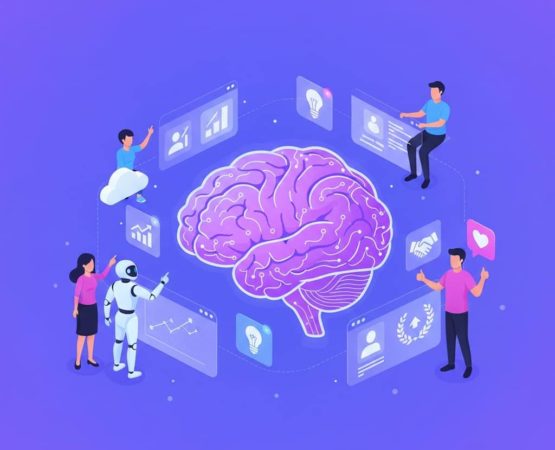
The future of HR in 2026 is not about replacement-it’s about elevation. AI and HR automation are transforming HR workflows, handling repetitive tasks like scheduling, data processing, and administrative work, while leaving human-centered work-empathy, strategic thinking, ethical decision-making, and cultural stewardship-firmly in human hands.
By leveraging AI-powered HR tools, HR teams can free up time and focus on high-impact activities such as improving employee experience, guiding workforce strategy, and fostering a strong organizational culture.
Ultimately, combining human insight with AI support positions HR as a strategic driver of organizational success. By embracing AI responsibly, investing in upskilling, and maintaining human oversight, HR leaders in 2026 can ensure their teams are not just keeping up with technology-they are shaping the future of work.