In today’s fast-paced work environment, it is easy for employees to unknowingly push themselves toward a breaking point. Issues like job burnout and work depression are becoming increasingly common, often fueled by a culture of workaholism that prioritizes constant output over personal health. For leadership, identifying signs of burnout at work and understanding various depression signs and symptoms early is critical to maintaining a healthy, sustainable workforce.
The impact of unchecked pressure goes far beyond simple fatigue. When workplace anxiety and stress from work are left unaddressed, compulsive behavior and workaholism can spiral into serious mental health and depression challenges. By staying vigilant regarding employee burnout signs and acknowledging the broader effects of mental health, organizations can move beyond basic mental health support to create an environment where employees truly thrive.
Practical intervention can take many forms, from encouraging regular mental health breaks at work to knowing when an individual needs a dedicated mental health day off work. Providing accessible mental health tips for employees-and addressing the root causes of workaholism-is an essential step in understanding how modern workloads affect overall well-being. This guide explores common burnout symptoms, provides essential depression facts, and offers strategies to support mental health at work, helping teams regain their balance, energy, and focus.
Workaholism and workplace stress can take a toll on mental health. Learn to recognize burnout and depression signs, support employees, and encourage mental health breaks with tools like AttendanceBot.
Understanding Work Burnout and Workaholism
Work burnout and workaholism are closely related – but they’re not quite the same thing. Work burnout is a state of emotional, physical, and mental exhaustion caused by chronic workplace stress that hasn’t been successfully managed. It often shows up as overwhelming fatigue, a sense of reduced accomplishment, and mental distance from one’s job. Meanwhile, workaholism refers to an unhealthy compulsion to work excessively, driven more by inner pressure than by enjoyment or necessity.
Research consistently shows that these patterns have real consequences. One study exploring the connection between workaholism and occupational burnout found that maladaptive work behaviors – like constant overcommitment and excessive hours – are strongly linked to higher burnout levels among professionals. In other words, people who push themselves to extremes at work are more likely to experience the job burnout symptoms that can harm their mental health and well‑being.
Burnout doesn’t just mean feeling tired after a long week. It can include emotional exhaustion, cynicism toward work, and a diminished sense of personal accomplishment – all of which contribute to work burnout and increase the risk of work-related depression and anxiety. These experiences often overlap with other mental health issues caused by workplace stress, especially when there’s little support or opportunity to restore balance between work and personal life.
Understanding the difference between being engaged at work and being consumed by it is key. While engagement often involves energy, dedication, and a sense of purpose, burnout and workaholism are marked by depletion and imbalance. Recognizing these patterns early – and knowing the causes of burnout at work – empowers both employees and employers to take actionable steps toward healthier work habits and stronger mental health at work.
Mental Health Effects of Overworking/Workholism
Chronic overwork and unaddressed stress don’t just affect productivity – they take a serious toll on mental health at work. Understanding these effects helps both employees and managers recognize early signs of burnout and prevent long-term consequences.
Emotional and Psychological Impact
Employees experiencing chronic overwork often report heightened workplace anxiety, persistent worry, and feelings of burned out or emotional exhaustion. Prolonged stress can trigger work depression, depression anxiety symptoms, and other mental health issues caused by the workplace, leading to reduced focus, irritability, and difficulty making decisions.
Physical Symptoms and Behavioral Changes
Burnout doesn’t just manifest mentally. It often appears as physical symptoms of burnout such as headaches, sleep disturbances, and gastrointestinal issues. Compulsive behaviors, like excessive working hours or neglecting self-care, are common in employees with work addiction, further exacerbating the effects of mental health.
Depression and Work
Persistent overwork increases the risk of work-related depression, including depression traits and depression signs and symptoms. According to the American Psychological Association, employees experiencing burnout are more likely to develop clinical depression or anxiety disorders, highlighting the importance of mental health and depression support in the workplace. (apa.org)
Organizational Consequences
Unchecked burnout affects more than just individual employees. Teams experience higher turnover, reduced engagement, and more frequent absenteeism. Recognizing the employee burnout signs and providing mental health support is essential to maintain productivity while protecting mental health at work.
Recognizing the Signs of Workaholism
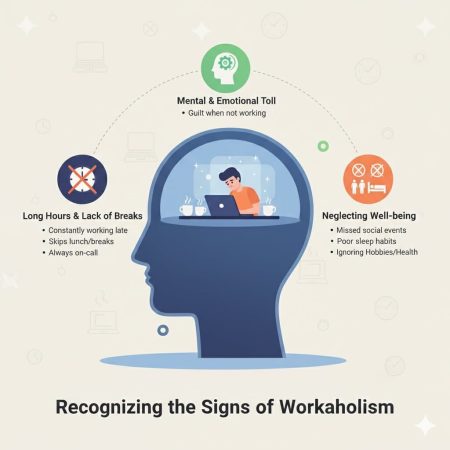
Burnout doesn’t happen overnight. One of the clearest signs of workaholism is an inability to mentally “log off,” even during personal time..Identifying the early indicators of mental health struggles is the first step toward building a resilient team. When we ignore the red flags, we risk long-term damage to both employee well-being and workplace productivity.
Persistent stress isn’t just a “bad week”-it’s a gradual erosion of mental and physical health. Spotting these signs early is the difference between a quick recovery and a total collapse.
Understanding the Spectrum of Burnout
Burnout doesn’t happen overnight. It starts with subtle shifts in energy and attitude. You might notice team members becoming increasingly cynical or detached from projects they used to love. These physical symptoms of burnout-like chronic fatigue, frequent headaches, or a weakened immune system are the body’s way of sounding an alarm.
The Intersection of Depression and Work
While burnout is usually tied to the workplace, depression often casts a wider shadow. Leadership needs to understand how depression and work intersect. Someone struggling might experience persistent sadness or a total loss of interest in hobbies. Recognizing the signs of serious depression, such as significant changes in appetite or sleep, allows for timely, empathetic intervention rather than a disciplinary approach.
Key Indicators at a Glance
- Behavioral: Increased irritability, “checked-out” presence, or unusual absenteeism.
- Physical: Visible exhaustion, frequent illness, or neglecting personal care.
- Emotional: Persistent low mood, feelings of hopelessness, or extreme cynicism.
Quick Reference: Common Terms & Symptoms
To help you better categorize what you or your team might be observing, here are the core concepts and resources used by mental health professionals:
| Category | Key Concepts to Watch For |
| Burnout Markers | Job burnout symptoms, signs of burnout in life, and signs of stress burnout. |
| Depressive Indicators | Signs someone has depression, symptoms of mental depression, and the physical “low-energy” state often described as “I do nothing all day.” |
| Behavioral Patterns | Work addiction, compulsive behaviors, and neglect of work-life balance. |
| Educational Tools | Utilizing a depression fact sheet or reviewing the latest research on depression effects. |
Proactive Recovery and Support
True recovery requires more than just a weekend off. Organizations must normalize taking mental health breaks at work. Whether it’s offering dedicated mental health days or providing structured time off work for mental health, these policies prove that the company values the person over the output. When managers know how to approach employees with mental health issues with compassion, it fosters a culture where recovery is actually possible.
Sometimes the best way to handle a high-pressure week is a bit of shared humor. We find that a well-timed joke can break the tension—here are some of our favorite Friday memes to share with your team to head into the weekend on a high note
Supporting Mental Health at Work
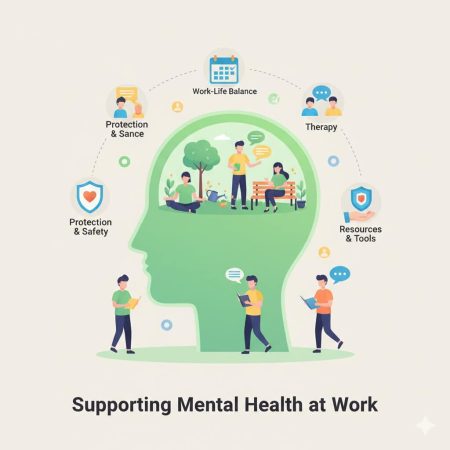
Building a workplace that prioritizes mental well-being isn’t just about perks; it’s about a fundamental shift in how we value people. When organizations move from “monitoring” to “supporting,” they naturally reduce work burnout and foster a space where employees feel genuinely seen.
Normalizing the Mental Health Break
The most effective way to prevent a crisis is to encourage smaller, frequent “resets.” Whether it’s a five-minute breather between meetings or formal mental health days at work, these pauses are essential. In cases where stress has become chronic, managers should be prepared to discuss a mental health leave of absence from work without stigma, ensuring the employee knows their role is secure while they focus on recovering from burnout at work.
Practical Strategies for Daily Wellness
Implementing strategies for mental health doesn’t have to be a massive corporate overhaul. It often starts with simple, actionable shifts:
- Flexible Scheduling: Allowing for school runs or therapy appointments reduces the friction between depression and work.
- Outcome-Based Tracking: Focusing on results rather than hours logged helps mitigate work addiction and compulsive overworking.
- Open Channels: Creating a safe space for dealing with employees with mental health issues ensures that “struggling” isn’t seen as “failing.”
Leveraging Digital Support
In our digital-first world, many employees find it easier to start their wellness journey privately. Providing access to apps that help with depression or anxiety can be a low-pressure way to offer mental health at work support.
| App Type | Benefits for Employees |
| Mindfulness & Sleep | Calm or Headspace help manage symptoms of exhaustion and stress. |
| CBT & Mood Tracking | Moodfit or Sanvello offer ways to help mental health through daily tracking. |
| Professional Support | BetterHelp or Talkspace provide accessible therapy for those coping with burnout at work. |
The Manager’s Role in Intervention
Leadership is the frontline of defense. When a manager is trained to notice employee burnout signs or the subtle signs of mental depression, they can intervene before a resignation letter hits their desk. Providing mental health tips for employees, like how to set boundaries or disconnect after hours, shows that the company is invested in the person, not just the professional.
Prevention and Long-Term Wellness
Preventing burnout isn’t a one-time HR initiative; it’s a commitment to a sustainable culture. For many, the biggest hurdle to wellness is workaholism-that internal drive to stay “plugged in” at the cost of one’s own health. By addressing these tendencies early, we can prevent job burnout symptoms from taking root.
Replacing Workaholism with Sustainable Habits
Breaking the cycle of overwork requires intentionality. Encouraging employees to disconnect and rediscover hobbies for depression and anxiety-whether that’s exercise, painting, or simply reading-provides a necessary counterweight to professional stress. When we prioritize these personal outlets, we build the emotional resilience needed to combat stress burnout.
Organizational Strategies for Longevity
A healthy workplace doesn’t just wait for an employee to crash; it proactively designs a schedule that respects human limits. Effective strategies for mental health include:
- Mandatory “Deep Work” Blocks: Reducing meeting fatigue and the pressure to be “always on.”
- Normalizing Mental Health Breaks at Work: Making it culturally acceptable to step away for a walk or a meditation session.
- Flexible Milestone Planning: Setting realistic expectations that account for the ebb and flow of human energy.
The Power of Incremental Recovery
For those already recovering from burnout at work, the pressure to “bounce back” can be overwhelming. We must encourage a one day at a time recovery mindset. By providing access to professional resources and helping depression support networks, organizations allow employees to rebuild their confidence without falling back into the trap of compulsive overworking.
Cultivating a Resilient Future
Ultimately, recognizing the mental health importance of every team member is what separates a good company from a great one. When we move away from praising workaholism and start rewarding balance, we create a workplace that is not only productive but truly sustainable.
A culture that values mental well-being is a culture where people don’t just show up-they thrive.
Conclusion: Bridging Productivity and Well-being
Recognizing workaholism, burnout symptoms, and depression signs is essential for both employees and organizations. By fostering a culture that values mental health at work, encourages breaks, and provides support for recovery, workplaces can prevent burnout, promote well-being, and help employees thrive. Small steps — from taking mental health days to managing workloads responsibly — make a lasting difference in building a healthier, more resilient team.
Workplaces can further support mental health through solutions from Harmonize Hub, such as AttendanceBot, which help teams manage schedules, leave, and mental health breaks at work effectively. Integrating these solutions ensures employees have the time and structure to recharge, maintain balance, and stay productive while protecting their mental well-being.